

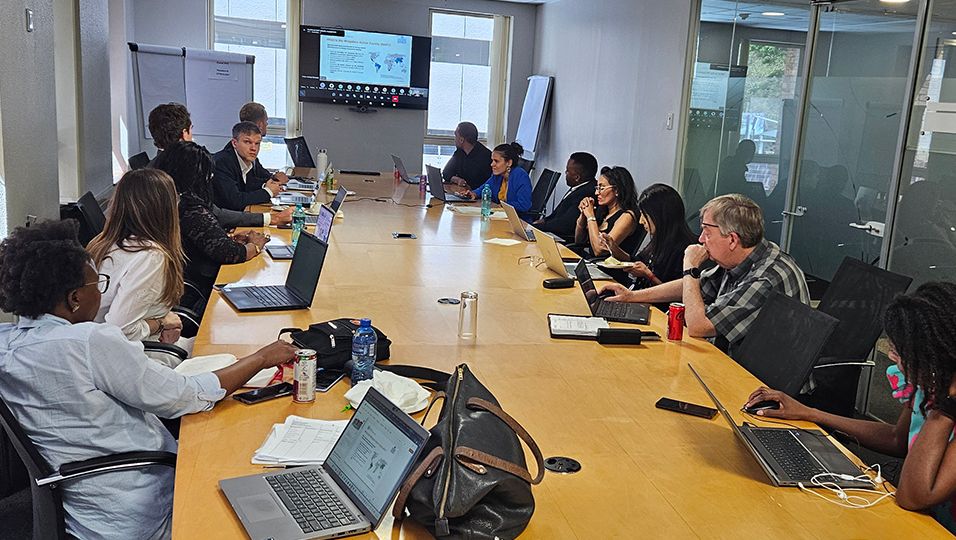
Photo 1: Participants from the steel value chain in South Africa during a fact-finding workshop held in Johannesburg in October this year.
From 13–17 October, UNIDO, Guidehouse Germany, and the Industrial Development Corporation (IDC) convened a week of high-level stakeholder engagements in South Africa as part of the Detailed Project Preparation (DPP) for the proposed project “Accelerating South Africa’s Steel Decarbonisation”. The proposed project in South Africa is one of seven innovative projects selected by the Mitigation Action Facility from the 2024 Call for Projects to advance to the DPP, from more than 500 initial applications. The other six projects are located in Brazil, Bhutan, India, Kazakhztan, Türkiye, and Vietnam.
The proposed project represents a key step in supporting South Africa’s transition towards near-zero emission steel production. By combining technical assistance, the development of a dedicated financial mechanism, and targeted policy support, the project aims to strengthen industrial competitiveness, help the country meet its climate commitments, and unlock new export opportunities in the global low-carbon steel market.
Throughout the week, bilateral meetings with policymakers, private companies, industry associations and steel producers, as well as a multi-stakeholder workshop, brought together representatives from across the value chain – including civil society organizations, , energy, , logistics, and technology sectors. Discussions focused on identifying barriers and enabling conditions for decarbonisation, with a particular emphasis on infrastructure readiness, renewable energy and green hydrogen, and the role of policy, regulation, and standards.
Emphasising the importance of supporting the steel industry in South Africa, Mr. Charles Dednam, Secretary General of the South African Iron and Steel Institute (SAISI), said: “As the economy grows, the steel industry needs consistent support to maintain its essential role in building infrastructure, driving industrial growth, and supporting long-term national prosperity.“
Stakeholders also highlighted the importance of inclusive approaches, ensuring that gender and social considerations and SME participation are integrated throughout project implementation.
This collaborative effort exemplifies the co-creation approach promoted by the Mitigation Action Facility, ensuring that projects are country-driven, stakeholder-informed, and transformative in their design and impact.
Learn more about the project in the recently published factsheet, which provides an overview of the project’s objectives, approach, and expected impacts.
[Article reprinted with permission from the Mitigation Action Facility.}

Photographs: Source and copyright: ArcelorMittal South Africa]


